How to Choose the Right Coffee Table for Your Living Room Layout
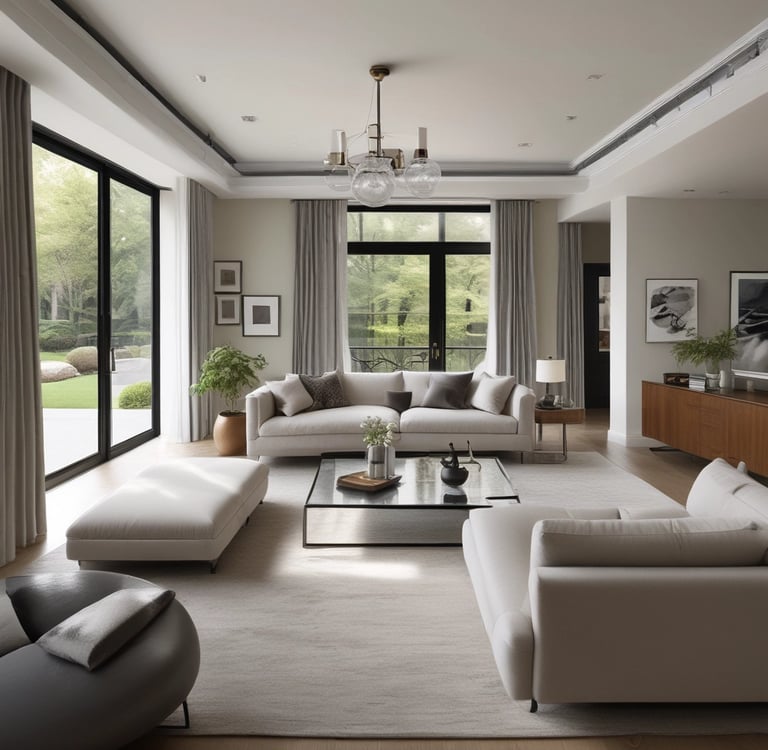
A coffee table may seem like a small detail, but choosing the right one can dramatically improve both the look and functionality of your living room. The key is to select a table that works with your specific layout, supports everyday use, and enhances the overall design of the space. Here’s what to consider before buying.
LIVING ROOMS
1/21/20263 min read
1. Match the Shape to Your Seating Layout
The shape of your coffee table should complement how your seating is arranged.
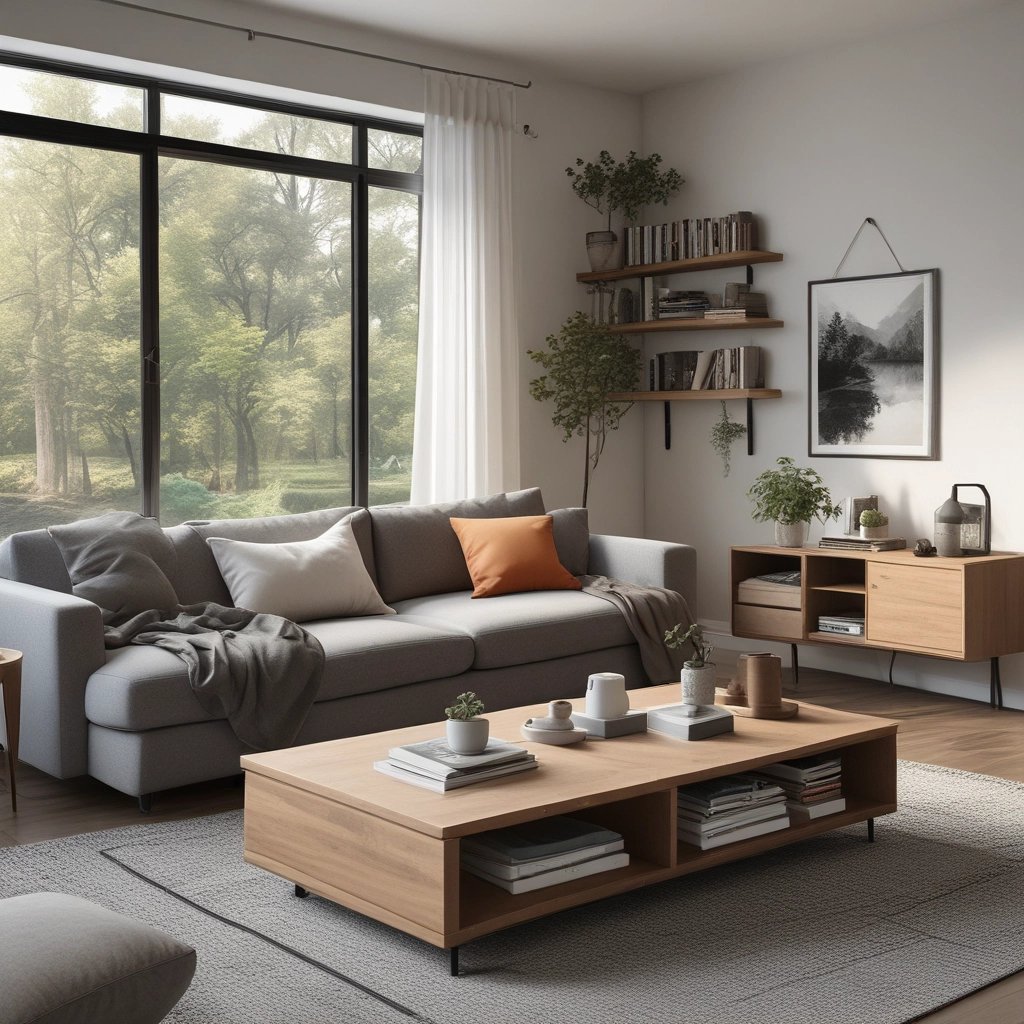
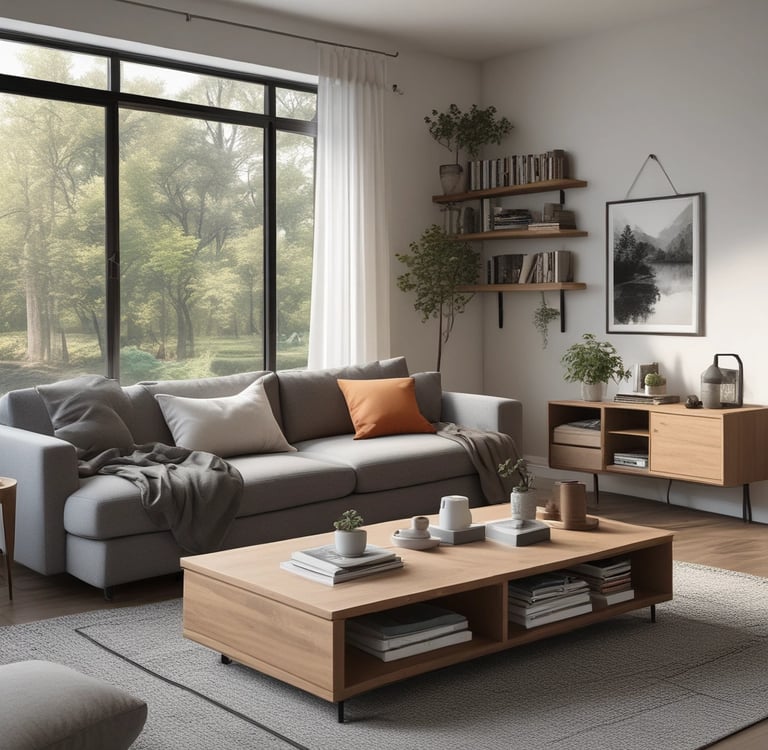
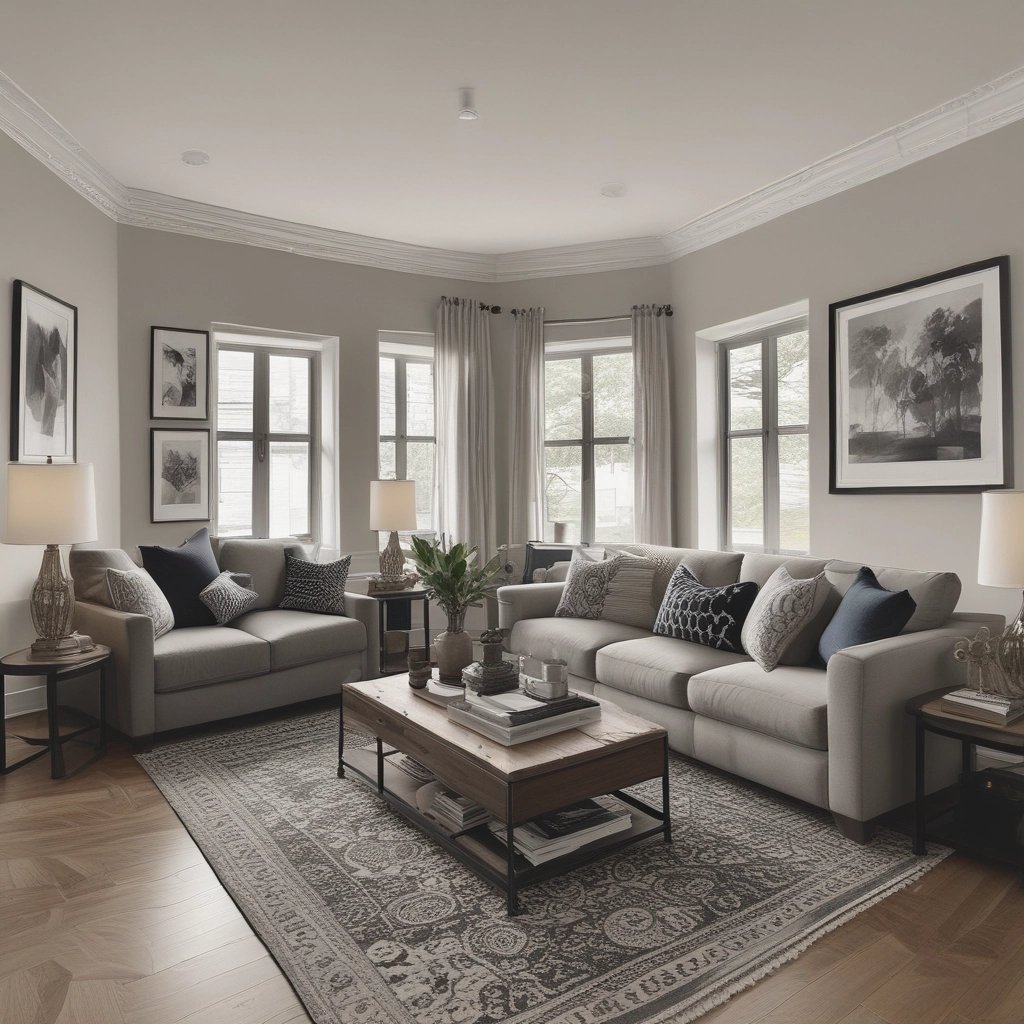
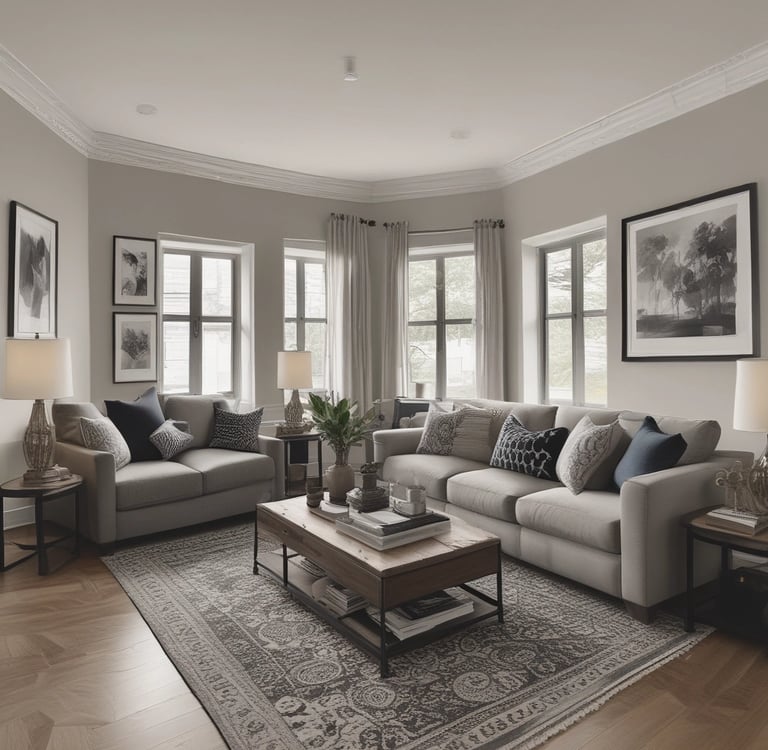
Rectangular tables work best with long sofas or sectional layouts, providing easy access from multiple seats.
Round or oval tables are ideal for compact spaces or conversation-focused layouts, as they allow smoother movement around the room and soften sharp angles.
Square tables suit large seating arrangements, especially when multiple sofas face each other.
Choosing the right shape helps maintain good flow and keeps the space feeling balanced rather than crowded.
AMAZON options:
Asymmetric oval coffee table: https://amzn.to/3PYVMex
Rustic style round coffee table: https://amzn.to/41qvioL
Cloud- shape coffee table: https://amzn.to/4s4g97O
2. Get the Size and Proportions Right
Scale is one of the most important factors. A coffee table should be about two-thirds the length of your sofa and sit at roughly the same height as the seat cushions—or slightly lower.
If the table is too large, it can overwhelm the room; too small, and it may look lost and impractical. Also consider clearance: leave enough space around the table so people can walk comfortably and reach seating without obstruction.
AMAZON options:
Set of 3 wooden small nesting coffee tables: https://amzn.to/4uP5XCn
Large modern coffee table with storage: https://amzn.to/4sZIIEa
Small round coffee table: https://amzn.to/4bPE8Bu
3. Think About Function First
How you use your living room should guide your choice. If you entertain often, a sturdy surface with enough space for drinks and décor is essential. For everyday living, consider tables with storage, such as drawers or lower shelves, to keep remotes, books, and magazines out of sight.
In flexible spaces, nesting or modular coffee tables are a smart solution, offering adaptability without sacrificing style.
AMAZON choices:
Oak finish coffee table with hidden storage: https://amzn.to/4rRxikU
Round coffee table with open shelf: https://amzn.to/489cy0O
Round coffee table with storage: https://amzn.to/41dsvzv
4. Choose Materials That Suit Your Lifestyle
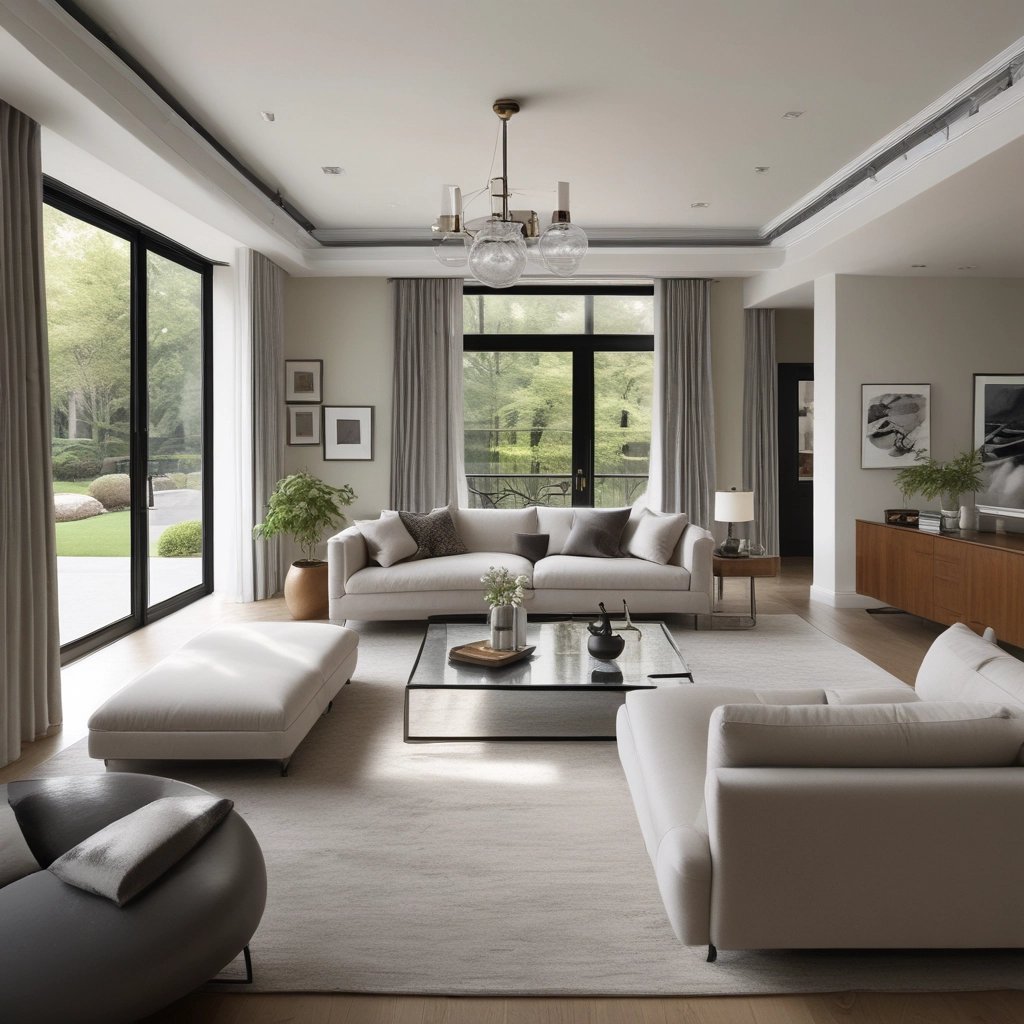
Materials affect both durability and maintenance. Glass tables create a light, open feel and work well in smaller rooms but require frequent cleaning. Wood adds warmth and timeless appeal, while stone or marble offers a more refined, high-end look. For households with kids or pets, opt for durable finishes and rounded edges to balance safety and longevity.
AMAZON options:
2 round nesting tables with metal legs: https://amzn.to/3PG7hre
Pine wood 2 nesting tables: https://amzn.to/4uRHRqC
Round glass coffee table with wooden leg: https://amzn.to/4bGH4QI
5. Align with Your Overall Design Style
Your coffee table should feel like a natural extension of the room. A minimalist space benefits from clean lines and subtle finishes, while eclectic or cozy interiors can handle bolder shapes, textures, or mixed materials. Don’t be afraid to use the coffee table as a statement piece—but make sure it still fits the room’s visual rhythm.
Final Thought
The right coffee table doesn’t just fill space—it supports how you live in your living room. By considering layout, size, function, material, and style, you’ll choose a piece that’s both practical and visually balanced, making your living room more comfortable and complete.