How Colour Affects Your Brain: The Science Behind Beautiful Interiors (And How to Design for It)
GENERAL
2/21/20264 min read
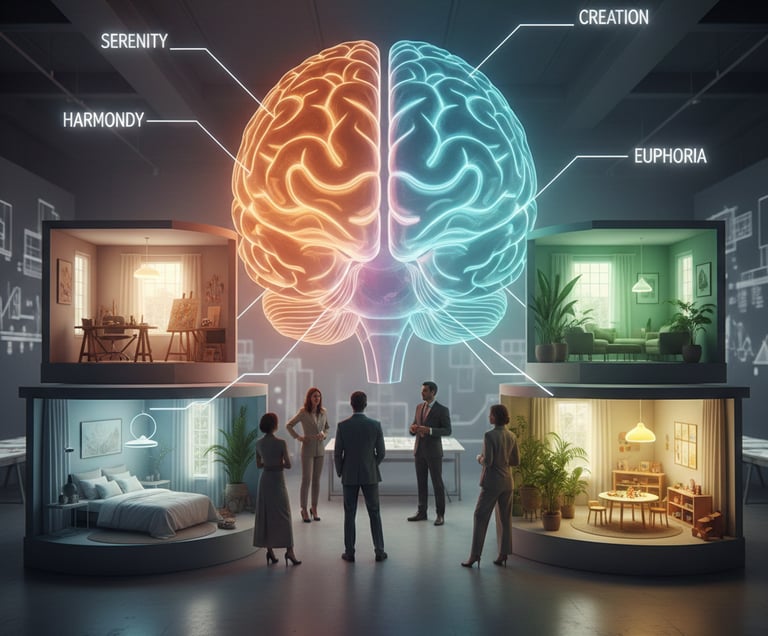
Interior design is more than aesthetics. It is psychology. It is biology. It is neuroscience.
Every time you enter a space, your eyes capture light and colour, sending signals directly to your brain. Within milliseconds, your body responds. Neurotransmitters are released. Your mood subtly shifts.
This is why some interiors energise you instantly, while others make you feel calm and grounded.
Understanding the connection between colour psychology, neurotransmitters, and interior design allows us to create homes that are not only visually beautiful — but emotionally supportive.
And the best part? You can intentionally design for this effect.
The Science Behind Colour Perception
When light reflects off surfaces in your home, it enters the retina and travels to the brain’s visual cortex. But colour perception doesn’t stop there. The brain interprets colour emotionally.
Different hues stimulate the release of different neurotransmitters — the chemical messengers responsible for how we feel.
The two most relevant in interior design are:
Dopamine – linked to pleasure, motivation, and reward
Serotonin – associated with calmness, balance, and wellbeing
This is the foundation of neurodesign — designing spaces that align with your desired emotional state.
Dopamine Interiors: Designing for Energy, Joy & Creativity
Bright, vibrant colours stimulate the brain and can increase dopamine activity. Think:
Warm yellows
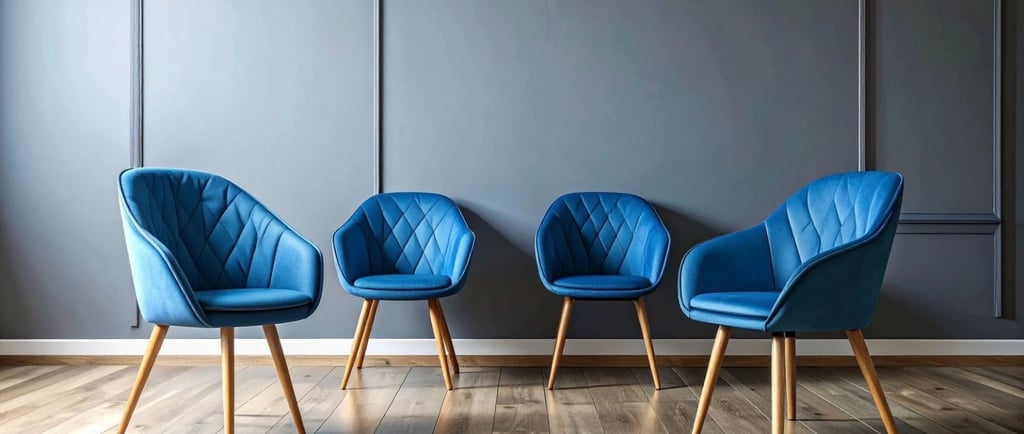
Cobalt blues
Coral tones
Saturated greens
Playful contrasts
Dopamine is often called the “reward chemical.” It increases motivation, excitement, and creativity. That’s why lively colour schemes work beautifully in:
Living rooms
Kitchens
Home offices
Creative studios
Children’s rooms
A dopamine-supportive space doesn’t mean painting every wall neon. It means strategic vibrancy.
For example:
A bold accent chair
Expressive abstract artwork
Colourful cushions layered over neutral sofas
A statement lamp in a high-energy hue
To introduce dopamine-boosting energy without overwhelming your space, consider adding a vibrant accent chair or expressive abstract artwork (see my curated favourites here).
AMAZON options:
Velvet dining chairs: https://amzn.to/4aLGvES
Colourful wall art: https://amzn.to/3OkIf0n
Green Checkerboard table lamp: https://amzn.to/4aDAVWp
Colourful cushion covers: https://amzn.to/46OVhtc


The Role of Lighting in Dopamine Release
Colour intensity is deeply influenced by lighting. Natural light enhances saturation and vibrancy. Poor lighting dulls even the boldest palette.
Layered lighting is essential:
Ambient lighting for overall brightness
Task lighting for functionality
Accent lighting to highlight colour features
Proper lighting amplifies colour psychology. I recommend adjustable LED bulbs that allow you to control warmth and intensity throughout the day.
AMAZON options:
Black floor lamp with shelves: https://amzn.to/4rBUd4n
Dimmable LED light bulbs: https://amzn.to/4rB7v0V
Industrial vibe wall sconces: https://amzn.to/3OxJLfD
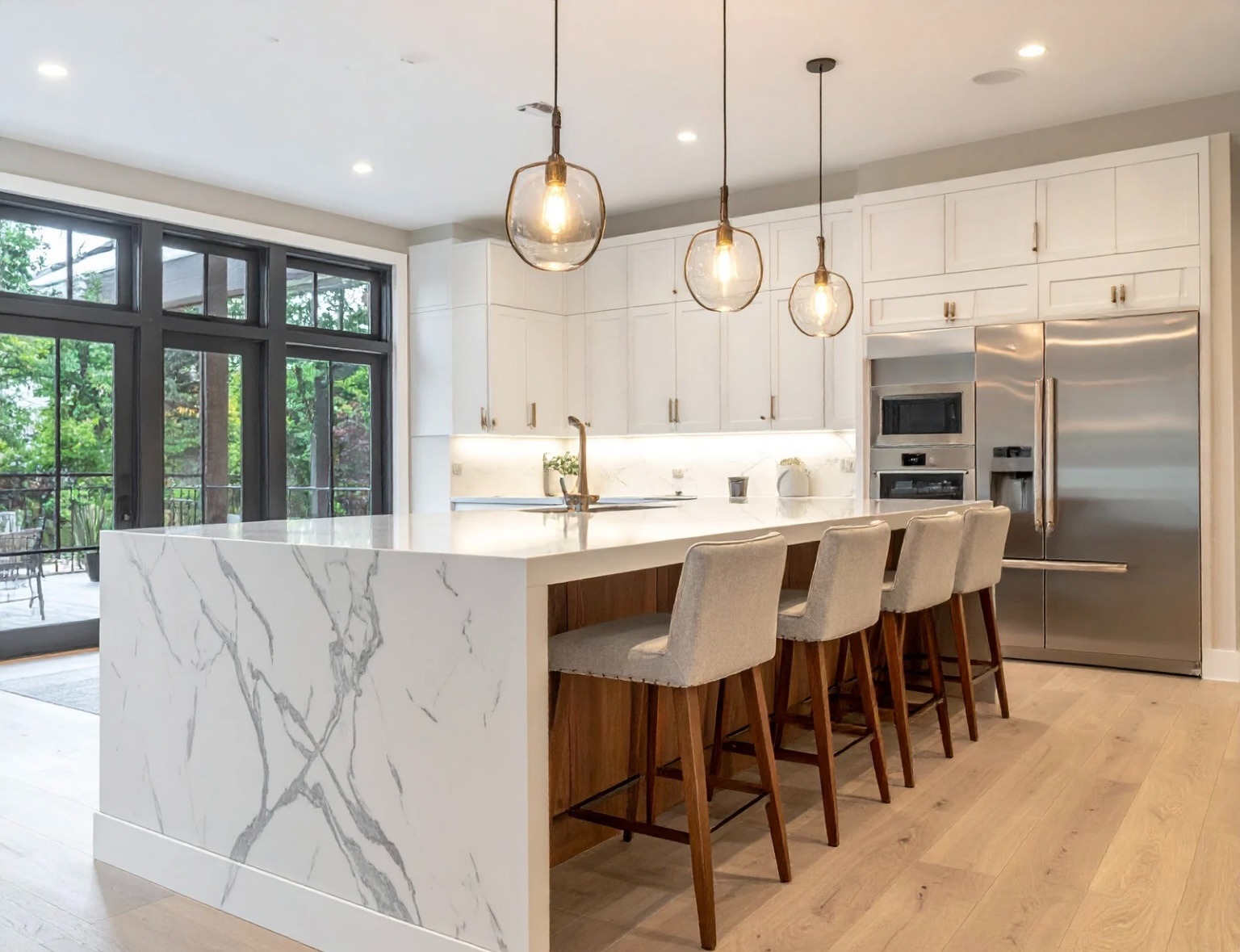
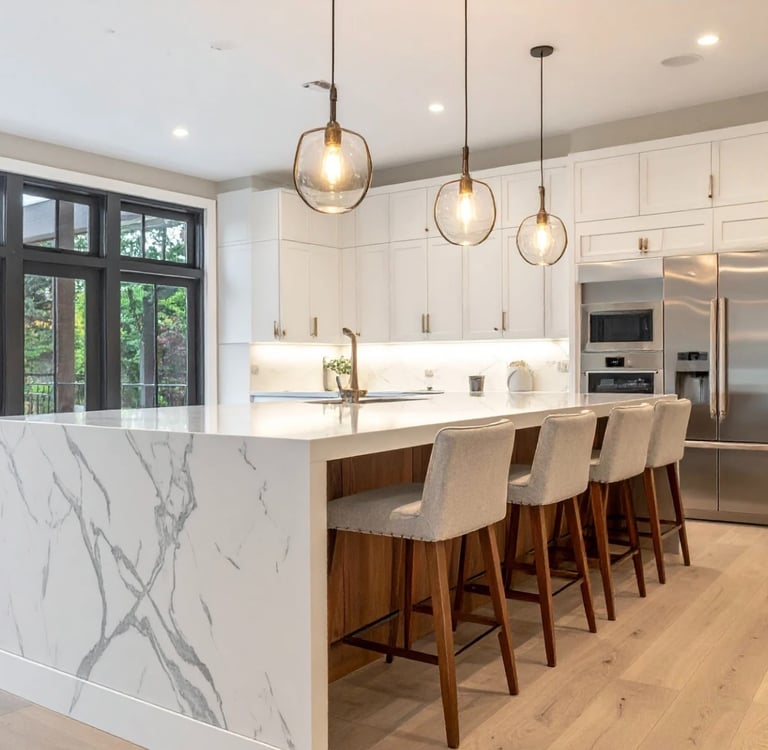
Serotonin Spaces: Designing for Calm & Wellbeing
While dopamine energises, serotonin stabilises.
Soft, muted colour palettes support serotonin production and emotional balance. Think:
Sage green
Dusty blue
Warm beige
Soft greige
Earthy clay tones
These colours reduce overstimulation and create a grounded atmosphere — ideal for:
Bedrooms
Reading corners
Bathrooms
Wellness spaces
Meditation areas
Unlike high-energy palettes, serotonin-supportive interiors rely on subtle layering and texture.
Natural materials amplify the calming effect:
Linen curtains
Cotton bedding
Wooden furniture
Stone accessories
Woven rugs
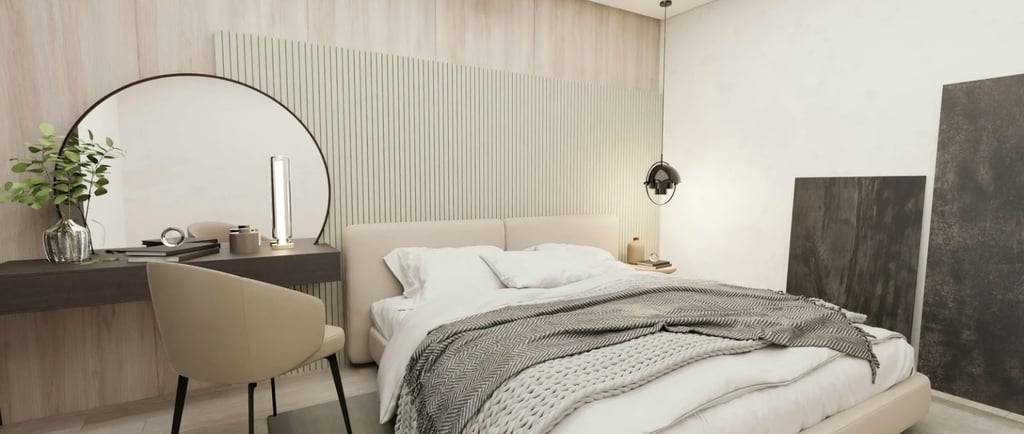
Layering natural textiles — like linen bedding or a woven neutral rug — enhances the serotonin-supportive atmosphere of a restful bedroom.
AMAZON options:
Green cotton duvet covers: https://amzn.to/4aP8yDb
Machine washable rug: https://amzn.to/3MGZF6T
Set of 2 ceramic vases: https://amzn.to/3MGZLeL
Large set of 2 woven baskets: https://amzn.to/4aDVsKg
Sage green lambswool throw: https://amzn.to/4tWfNSF


Bedroom Design & Sleep Quality
Serotonin also plays a role in sleep regulation. Overstimulating colours in bedrooms (bright red, intense orange) can interfere with relaxation.
Instead, focus on:
Muted tones
Warm lighting (2700K–3000K bulbs)
Soft textures
Minimal visual clutter
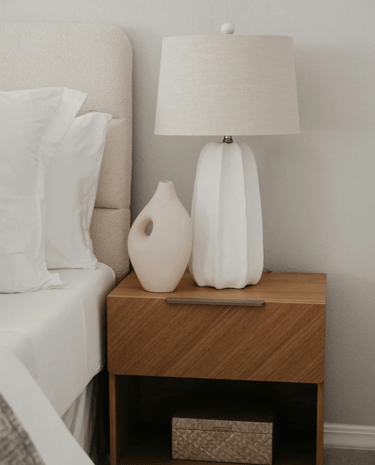
Warm bedside lighting and blackout curtains significantly improve sleep quality in serotonin-oriented bedroom designs.
AMAZON options:
Wooden bedside table: https://amzn.to/4rD92nb
Neutral blackout curtains: https://amzn.to/4aDuLFF
Dimmable bedside lamp: https://amzn.to/4aQujme
Aromatherapy essential oil diffuser: https://amzn.to/4qWFWhi
Balancing Dopamine & Serotonin in One Home
Most homes require both energy and calm — just in different rooms.
A well-designed home office might incorporate:
Neutral base walls
One vibrant artwork piece
A colourful desk accessory
Meanwhile, your bedroom might stay fully grounded in warm neutrals.
The secret is intentional zoning.
AMAZON options:
Minimalist file holder: https://amzn.to/4l00555
Smart LED lamp: https://amzn.to/40wsgPn
Eat, Drink, NAp - coffee table book: https://amzn.to/3MwThz7
Green decorative tray: https://amzn.to/46svvuP
Why Colour Psychology Is the Future of Interior Design
Trends come and go. Neuroscience does not.
The future of interior design lies in emotional functionality. It asks:
How should this space make you feel?
How should it support your lifestyle?
How can colour enhance your daily wellbeing?
Designing with neurotransmitters in mind transforms interiors from decorative spaces into supportive environments.
This is not about following Pinterest trends. It is about creating spaces aligned with how you want to live.
How to Start Designing Your Mood Today
Identify the emotional goal of each room.
Choose a base palette aligned with that goal.
Add accent colours strategically.
Layer textures intentionally.
Optimize lighting to support the palette.
You do not need a full renovation to begin. Even small additions — a throw pillow, a lamp, a textured rug — can subtly shift the neurological experience of your space.
Final Thoughts
Colour is one of the most powerful tools in interior design because it directly interacts with the brain.
Bright and vibrant colours stimulate dopamine, creating joy, energy, and motivation.
Soft and muted tones support serotonin, encouraging calm and wellbeing.
When design decisions are intentional, interiors become more than visual compositions. They become emotional ecosystems.
At Olisign Interior, design is never accidental. It is considered, strategic, and rooted in how spaces truly make us feel.
Because great design doesn’t just look beautiful.
It supports your mind.